AMR-Connect Campus Initiative
Turning Campus AMR Risks into Student-Led Action
Project Summary
The AMR-Connect Campus Initiative is a student-led research and learning initiative focused on addressing antimicrobial resistance risks within the university environment.
Led by Ducit Blue Foundation in collaboration with Health Quality Solutions and AMR Club LAUTECH, the initiative moves beyond awareness by supporting students to identify priority risks, engage relevant campus stakeholders and contribute to practical solutions.
Piloted at LAUTECH, the initiative is designed to generate practical lessons from one campus that can inform approaches to student-led AMR action in other universities across Nigeria and Africa.
Project at a Glance
Campus sites mapped and screened
Priority sites selected for intervention
Structured project implementation
Research, engagement and action
Progress So Far
Risk Mapping Completed
Campus risk areas were identified and assessed to establish the intervention focus.
Project Framework Developed
The Theory of Change, workplan and operational tools were developed to guide implementation.
Student Leadership Established
AMR Club leadership, departmental representatives and the project committee were put in place.
Sites Screened & Prioritised
Mapped sites were assessed using structured screening to determine where intervention was most needed.
Baseline Engagement Conducted
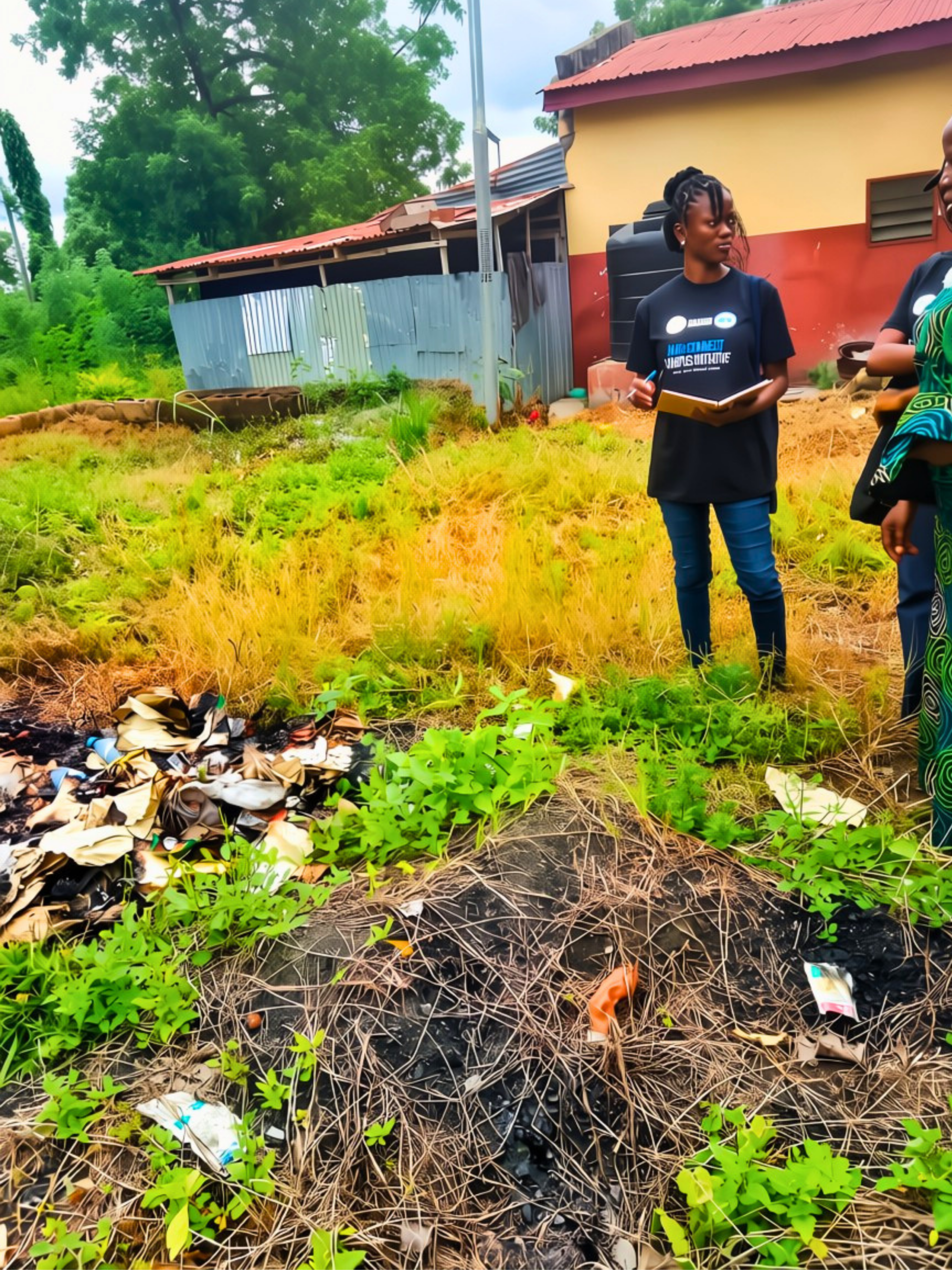
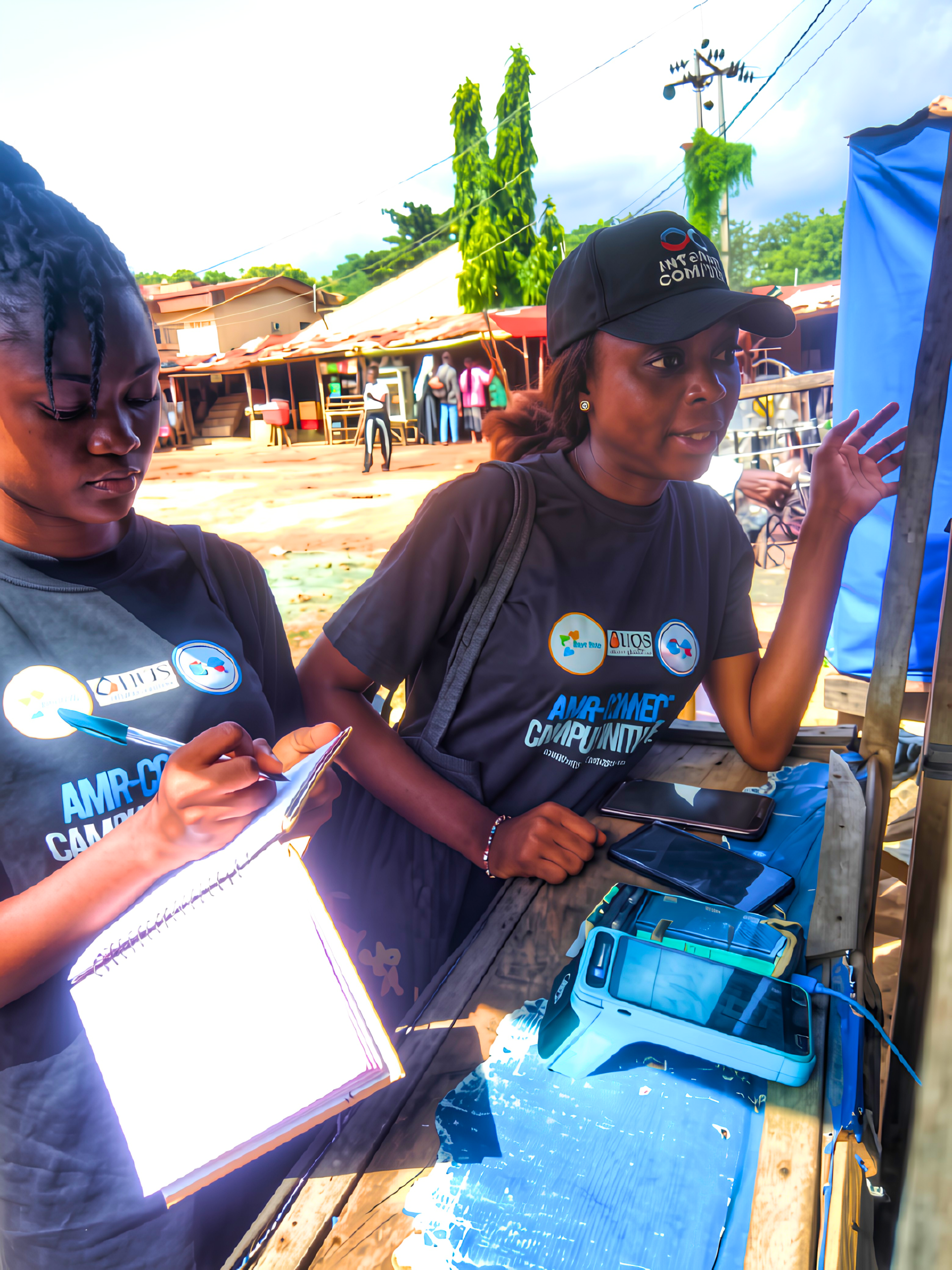
Priority sites were visited, stakeholders engaged and practical actions identified for intervention.
Our Approach
AMR-Connect brings together student leadership, stakeholder engagement, practical action and learning to address AMR-related risks on campus.
Identify
Understand priority risks within the campus environment.
Engage
Work with relevant stakeholders and change-enablers.
Act
Support practical responses to identified challenges.
Learn
Capture experiences and lessons to inform future action.
What Students Gain
AMR-Connect gives students practical experience beyond the classroom, building skills they can apply in public health, research and future professional roles.
Stakeholder Engagement
Experience engaging campus stakeholders and change-enablers around shared health and environmental risks.
Data Collection & Analysis
Build practical skills in collecting, documenting and interpreting field data.
Monitoring & Evaluation
Learn to track progress, assess change and use evidence to inform decisions.
Problem-Solving
Work through real campus challenges and contribute to practical, site-specific solutions.
Public Health Fieldwork
Gain hands-on experience applying One Health and AMR concepts in a real-world setting.
Research & Leadership
Develop experience in research, communication, teamwork and student-led leadership.
Project Components
Site Risk Assessment
Screening and assessment of campus environments to identify AMR-related risks, understand their context and determine priority areas for action.
Stakeholder Engagement & Action Planning
Students engage relevant change-enablers to understand identified risks and agree on realistic, site-specific actions.
Joint Site Interventions
Student teams work with campus stakeholders to implement practical fixes and document changes through before-and-after evidence.
Follow-up, Learning & Dissemination
Progress is tracked over time, lessons are documented and evidence is used to strengthen the model for wider application.
